
The Differences Between Formal And Informal Maltese Greetings

Author
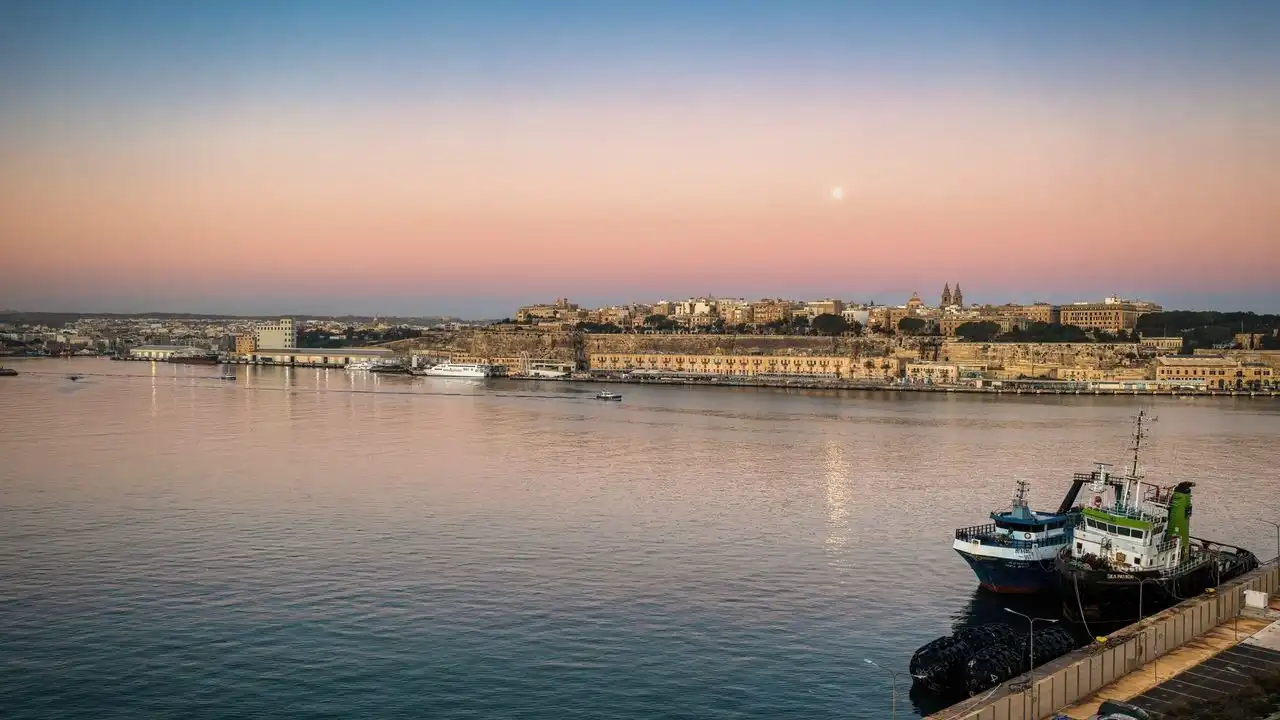
Knowing when to use formal and informal greetings in Maltese will help you make a great first impression.
Maltese culture is generally warm and friendly, but locals still expect you to show respect to elders and professionals.
Using the wrong greeting can sometimes make you sound impolite or overly stiff.
I’ll explain exactly how to navigate different social situations with the right Maltese greetings.
Table of contents:
General rules for formality in Maltese
In Maltese, formality is often tied directly to the pronouns you use.
When addressing a friend, you use the singular “you”, which is int.
When speaking to someone older or someone in authority, you should use the plural “you”, which is intom.
Using the plural pronoun to show respect to a single person is known as the polite plural.
You’ll also hear titles used frequently in formal situations.
It’s very common to greet someone formally by adding Sinjur (Sir) or Sinjura (Madam) after your initial greeting.
Everyday informal Maltese greetings
Informal greetings are perfect for friends, family, and people your own age.
The most common casual greeting is simply aw.
This translates to “hey” or “hi” and is used everywhere on the islands.
Aw, kif int?
Another very common informal phrase is x’għandna.
This literally translates to “what do we have?” but it’s used to mean “what’s up?”.
X’għandna, ħabib?
You can also simply say kif aħna? (how are we?) as a casual way to check in on a friend.
Professional and formal Maltese greetings
You should use formal greetings for business meetings, speaking to the elderly, or entering a shop.
A safe and polite greeting for the morning is bonġu, borrowed from the French word “bonjour”.
While bonġu can be used informally, adding a respectful title instantly makes it appropriate for formal situations.
Bonġu, Sinjur.
If you want to sound even more polite and use pure Maltese, you can say l-għodwa t-tajba.
This directly translates to “the good morning” and sounds very respectful to locals.
When asking how someone is formally, remember to use the plural form intom instead of int.
Kif intom?
For the evening, you can use bonswa (good evening) or is-serata t-tajba (have a good evening).
Regional variations across Malta and Gozo
The Maltese archipelago consists of two main inhabited islands: Malta and Gozo.
Gozitans speak a distinct dialect of Maltese that heavily affects how greetings sound.
In Gozo, the vowels in greetings are often stretched or pronounced differently than they are in Malta.
For example, you might hear aw pronounced with a deeper, rounder sound in Gozitan villages.
Some older generations in rural areas also prefer traditional Semitic greetings over Italian or French loanwords.
Instead of bonġu, an older traditional speaker might greet you with is-sliem għalikom (peace be upon you).
This phrase is quite rare today, but it remains a beautiful part of formal, traditional Maltese.
Summary table of Maltese greetings
Here’s a quick reference guide to help you remember the differences between formal and informal greetings.
| English Meaning | Informal Maltese | Formal Maltese |
|---|---|---|
| Hi / Hello | Aw | Hello / Kif intom? |
| Good morning | Bonġu | L-għodwa t-tajba / Bonġu, Sinjur |
| How are you? | Kif int? | Kif intom? |
| What’s up? | X’għandna? | (Not applicable) |
| Good evening | Bonswa | Is-serata t-tajba / Bonswa, Sinjura |
Keep this table handy next time you speak to a local, and you’ll always know exactly how to greet them properly.